The Dairy Sector and the Financing of Nature Positive Actions
What does it take for the dairy sector to become nature-positive? And who pays for it?
This webinar brings together different perspectives – industry, research, and finance – to explore these questions together. Starting from Arla’s Nature Strategy as a real-world case study, the session moves into the science of measuring biodiversity outcomes in a way that’s scientifically robust, the financing mechanisms that do (and don’t) change behaviour on the ground, and what it actually takes to design a farm-level incentive scheme that is credible, scalable, and fair.
Date: 15th September, 2026 Time: 2pm – 3:30pm CEST
Online
September 15, 2026 | 14:00 - 15:30 (CET)
Agenda
14:00 Welcome | Emilie Weynants, ILSI Europe 14:05 What is ‘nature positive’: scientific and policy perspectives | John Garvey, University of Limerick 14:20 Corporate incentives and the financing question | Ellen Jordan, University of Limerick 14:35 Case Study: ARLA’s Nature Strategy | Ashley Marie Montcalm, Arla Foods 14:50 How farmers respond, and what incentive design must get right | Ruth B. Coady, Waters of Life 15:05 Open discussion | All – Moderation: Emilie Weynants, ILSI Europe 15:20 Audience Q&A | All – Moderation: Emilie Weynants, ILSI Europe 15:30 End
Speakers
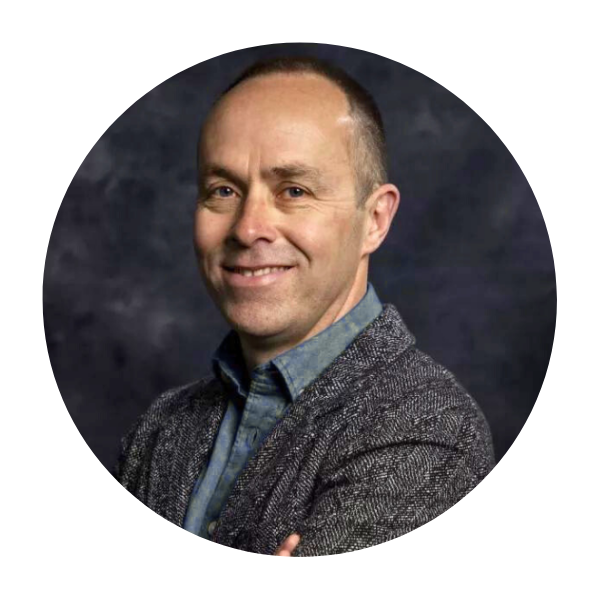
John Garvey
Dr. John Garvey is Professor at the University of Limerick and BIOFIN-EU coordinator. He specialises in market systems and technology and is the founder of FarmHedge Ltd., a spinout from the University of Limerick. He is an expert in risk management and finance, specialising in market systems, technology, and innovation in risk transfer and insurance. Dr. Garvey’s academic research includes volatility forecasting using high-frequency financial data, risk management in policymaking systems and innovation in risk transfer and insurance. His research has been disseminated to national and international media and general audiences as well as technical audiences in the policy and academic communities.
Ashley Marie Montcalm
Ashley Marie Montcalm is a Senior Sustainability Specialist in the Global Agriculture Sustainability Team at Arla Foods. Ashley is Arla’s content lead for Nature, leading and supporting on measurements and creating a farm roadmap, thereby, having direct insight into how nature-related outcomes (soil health, water quality, biodiversity, climate, etc.) are embedded in real farm operations across the UK, Denmark, Sweden, Germany, the Netherlands, Belgium, and Luxembourg. Prior to working for Arla Foods, Ashley was a Senior Agriculture Consultant in the Plant and Environmental Innovation Department at SEGES Innovation, DK. With ~9-years of experience as an agronomist, Ashley has a practical understanding of what is feasible, measurable, and scalable at farm level in diverse production systems (dairy, mixed farming, arable), including the operational constraints and enablers for nature-positive practices.
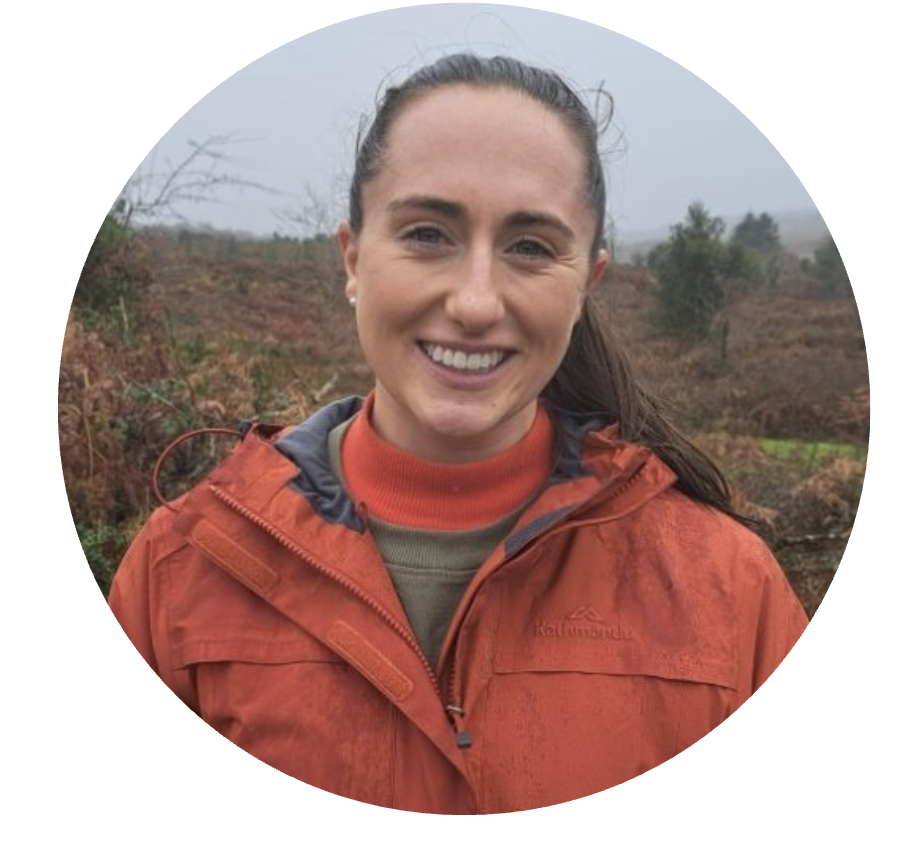
Ruth Bennett Coady
Ruth Bennett Coady is a Catchment Ecologist working in the Waters of LIFE project. Ruth works directly with farmers, foresters and community groups to protect and restore water quality. Ruth holds a Master’s degree in Agriculture, Innovation and Support from University College Dublin, with research focussed on knowledge exchange and threatened wading birds. She has also worked in agro-ecology research, with a particular focus on high-nature value (HNV) farmland and sustainable rural development
Ellen Jordan
Ellen Jordan is a PhD researcher at the University of Limerick, specialising in the ability of EU-mandated sustainability reporting requirements to protect and restore biodiversity. Her background is law and accounting, providing an interdisciplinary perspective on the impact of increased regulation on sustainability practices, particularly in the context of large organisations subject to the Corporate Sustainability Reporting Directive.
Emilie Weynants
Emilie Weynants leads ILSI Europe’s communication strategy and outreach activities and is involved in several EU-funded projects. She holds master’s degrees in Bioengineering and Communications from the Catholic University of Louvain in Belgium. Previously, she worked as a communication officer for a Belgian nature protection organization and the European Commission’s Joint Research Center in the Directorate for Sustainable Resources.