Protecting biodiversity requires significant and long-term investment, yet funding for nature conservation often falls short of what is needed. A new study from the middle Brenta River area in North-Eastern Italy shows how water tariffs could help finance biodiversity conservation through investments in Nature-based Solutions (NbS).
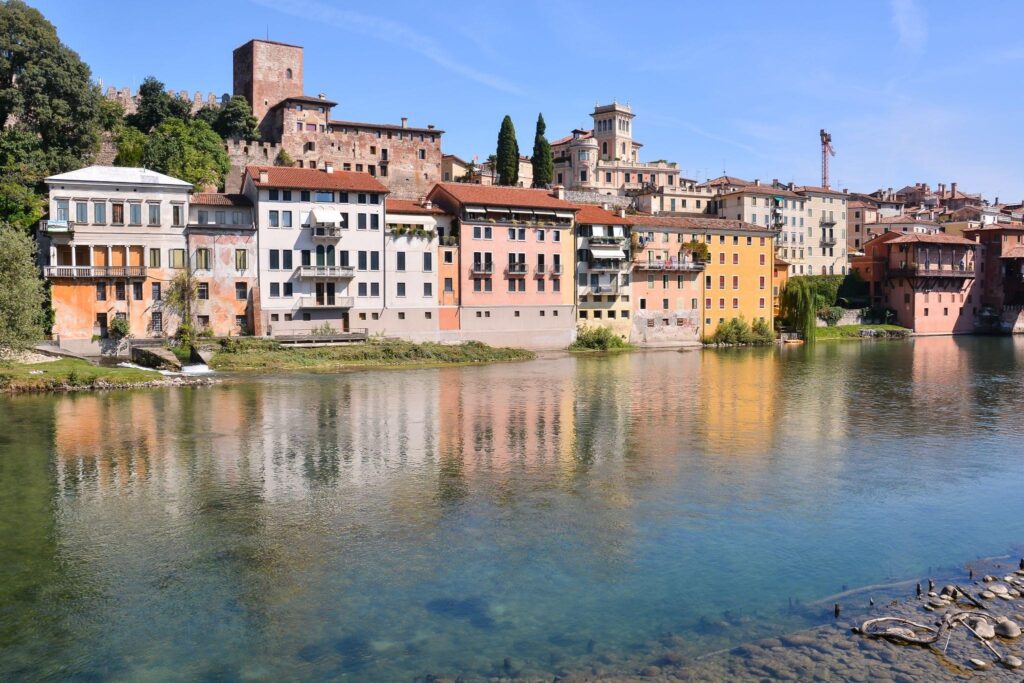
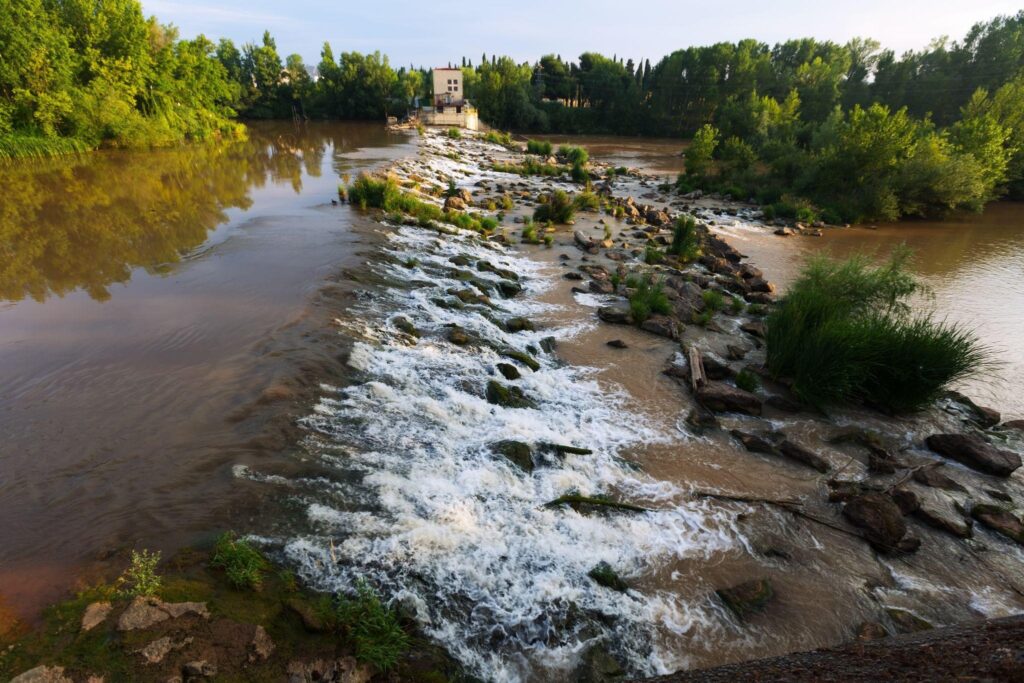
The Brenta River is an important source of drinking water for around 1.5 million people. At the same time, it is home to valuable habitats and species protected under the Natura 2000 network. However, the area faces several environmental pressures, including intensive agriculture, groundwater depletion, habitat fragmentation, and recreational activities.
To explore possible solutions, researchers assessed different NbS, including conservation agriculture, constructed wetlands, and forest infiltration areas. They examined how these interventions could improve groundwater recharge, carbon sequestration, and habitat quality, while also considering their costs.
To explore possible solutions, researchers assessed different NbS, including conservation agriculture, constructed wetlands, and forest infiltration areas. They examined how these interventions could improve groundwater recharge, carbon sequestration, and habitat quality, while also considering their costs.
The results showed that forest infiltration areas were the most effective option for increasing groundwater recharge and capturing carbon. Constructed wetlands delivered the greatest benefits for biodiversity and habitat quality. However, the best overall results came from combining different NbS. These blended approaches provided multiple environmental benefits while maintaining reasonable costs.
The study highlights the potential of creating an environmental fund financed through water tariffs. Under this model, water users would contribute to the protection and restoration of the ecosystems that support water provision. The approach follows the “user pays” principle and creates a stable source of funding for biodiversity conservation and ecosystem restoration.
This case study demonstrates how innovative finance mechanisms can connect water management, climate action, and biodiversity conservation. It also provides a practical example of how local investments in NbS can help deliver the objectives of the EU Biodiversity Strategy, the Water Framework Directive, and the Nature Restoration Law.
Brenta River serves as one of the BIOFIN-EU’s Learning Sites. BIOFIN-EU is examining the Brenta case to explore how NbS, ecosystem service data, and sustainable financing mechanisms can help attract long-term investment for nature restoration and support the transition towards nature-positive finance.
As Europe seeks new ways to close the biodiversity finance gap, the Brenta River experience shows that even everyday services such as drinking water can play a role in supporting healthier ecosystems and more resilient landscapes.
Read the full article here